
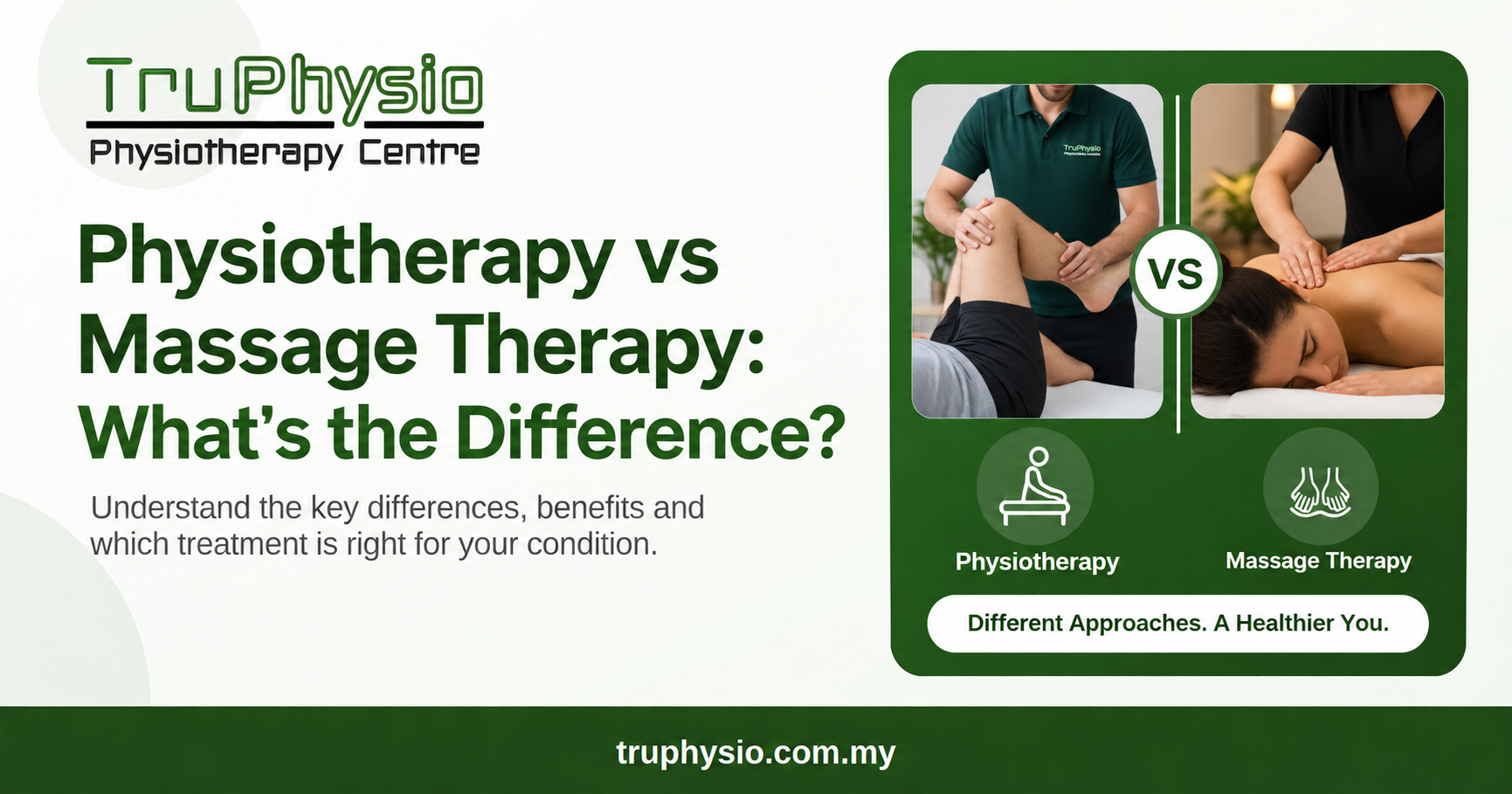
Physiotherapy vs Massage Therapy: What’s the Difference?
If you’ve ever dealt with a stiff neck, a nagging backache, or a sports injury that just won’t heal, you’ve probably typed some version of “should I get a massage or see a physiotherapist?” into Google. It’s a fair question — both treatments involve hands-on touch, both promise pain relief, and both feel good after a long week. But underneath that surface similarity, physiotherapy and massage therapy are built for very different purposes.
Understanding that difference isn’t just academic. Picking the wrong treatment can mean weeks of wasted time — or worse, an injury that quietly gets worse because it was never properly diagnosed. This guide breaks down exactly how the two compare, so you can make the right call for your body.
What Is Physiotherapy?
Physiotherapy (also called physical therapy) is a regulated healthcare profession. A physiotherapist is trained to assess the musculoskeletal, neurological, and movement systems of the body, identify what’s actually causing your pain or limited mobility, and design a structured treatment plan around it.
A typical physiotherapy plan might include:
- A detailed clinical assessment of posture, strength, flexibility, and movement patterns
- Manual therapy (joint mobilization, soft-tissue release)
- Targeted therapeutic exercises to rebuild strength and stability
- Techniques like dry needling, ultrasound therapy, or electrotherapy where appropriate
- Long-term rehabilitation planning to prevent the injury from recurring
Because physiotherapists are licensed clinicians, they’re qualified to treat conditions such as slipped discs, ACL injuries, frozen shoulder, sciatica, post-stroke mobility loss, and sports injuries — issues that need a real diagnosis, not just relaxation.
What Is Massage Therapy?
Massage therapy focuses on manipulating soft tissue — muscles, tendons, and fascia — mainly to relieve tension, boost blood flow, and promote general relaxation. It’s an excellent tool for stress relief, temporary muscle tightness, and overall wellness maintenance.
Common massage techniques include Swedish massage, deep tissue massage, and sports massage. A massage therapist is skilled at working through tight or knotted muscles, but they are generally not trained to diagnose medical conditions, assess joint mechanics, or design a rehabilitation program for an injury.
Physiotherapy vs Massage Therapy: Side-by-Side Comparison
| Aspect | Physiotherapy | Massage Therapy |
|---|---|---|
| Purpose | Diagnose and treat the root cause of pain or dysfunction | Relax muscles and relieve temporary tension |
| Approach | Clinical assessment + structured rehab plan | Hands-on soft-tissue manipulation |
| Qualification | Licensed, registered healthcare professional | Trained therapist, not a medical diagnostician |
| Best for | Injuries, chronic pain, post-surgery recovery, neurological conditions | Stress, general muscle tightness, relaxation |
| Results | Long-term functional improvement | Short-term relief |
| Includes exercise plan | Yes | Rarely |
When Should You Choose Physiotherapy?
Physiotherapy is the right choice when your pain has a specific, identifiable cause or when it’s affecting how you move, work, or exercise. This includes:
- Pain that has lasted more than a couple of weeks
- Injuries from sports, accidents, or repetitive strain
- Numbness, tingling, or weakness in a limb
- Recovery after surgery or a stroke
- Reduced range of motion in a joint (knee, shoulder, neck, back)
- Balance or coordination problems
If your body isn’t just tight but actually isn’t functioning the way it should, a massage will only mask the symptom — a physiotherapist will address the mechanism behind it.
When Is Massage Therapy Enough?
Massage therapy works well as a standalone option when:
- You’re dealing with everyday stress or mild muscle tightness
- You want to relax after intense physical activity
- There’s no underlying injury or diagnosed condition
- You’re looking for a wellness routine, not a treatment plan
Many people also use massage alongside physiotherapy — as a complementary way to manage tension between structured rehab sessions.
Can They Work Together?
Yes. In fact, many physiotherapy clinics incorporate soft-tissue massage techniques as one part of a broader treatment plan — but always in combination with an actual diagnosis, targeted exercises, and progress tracking. The key difference is that in physiotherapy, massage is a tool used to support recovery, not the entire treatment itself.
How to Decide: A Simple Rule of Thumb
Ask yourself one question: “Is this pain interfering with how my body moves or functions, or is it just muscular tightness from stress or daily activity?”
- If it’s affecting movement, strength, or has lasted beyond a couple of weeks → see a physiotherapist for a proper assessment.
- If it’s general tension with no functional limitation → massage therapy is a reasonable first step.
When in doubt, a physiotherapy assessment is the safer route, since a qualified physiotherapist can tell you clearly whether your issue needs clinical treatment or whether relaxation-based therapy will do.
Why Choosing a Qualified, Registered Clinic Matters
Because physiotherapy is a medical discipline, the qualifications of your therapist genuinely matter. Working with a registered physiotherapist ensures your treatment plan is based on an accurate diagnosis and evidence-based techniques — not guesswork.
This is exactly the gap TruPhysio Physiotherapy Centre, a trusted Physiotherapy Center in Kuala Lumpur, is built to fill. Located in Pandan Jaya, TruPhysio is staffed by KKM-registered physiotherapists who provide personalized, evidence-based treatment for neck pain, back pain, shoulder pain, knee pain, sports injuries, and stroke rehabilitation. The clinic also offers home physiotherapy visits and corporate wellness programs, and is open seven days a week to make scheduling easier around your life.
Whether your issue is a recent sports injury or a lingering ache that’s stuck around for months, getting an actual assessment — rather than guessing between a massage and hoping it goes away — is the fastest way to real, lasting recovery.
Frequently Asked Questions
Is physiotherapy better than massage for back pain?
For back pain that’s persistent, radiating, or linked to a specific injury, physiotherapy is generally more effective because it addresses the underlying cause. Massage can help with temporary muscle tightness but won’t correct issues like a slipped disc or postural imbalance.
Do I need a doctor’s referral to see a physiotherapist?
In most cases, no. You can typically book a physiotherapy appointment directly, though bringing any relevant medical reports or scans can help the physiotherapist with assessment.
Can massage therapy replace physiotherapy after an injury?
No. Massage can support recovery by easing muscle tension, but it doesn’t rebuild strength, correct movement patterns, or address the biomechanical cause of an injury the way a structured physiotherapy program does.
How do I know if I need physiotherapy or just a massage?
If your pain limits movement, has lasted more than two weeks, or followed an injury or surgery, book a physiotherapy assessment. If it’s general tightness from stress or daily activity with no functional limitation, massage therapy is usually sufficient.
Is physiotherapy painful?
Most physiotherapy techniques are designed to reduce pain, not cause it. Some exercises or manual techniques may cause mild, temporary discomfort as part of the healing process, but a qualified physiotherapist will always adjust treatment to your comfort level.


